Critical infrastructure, on the map
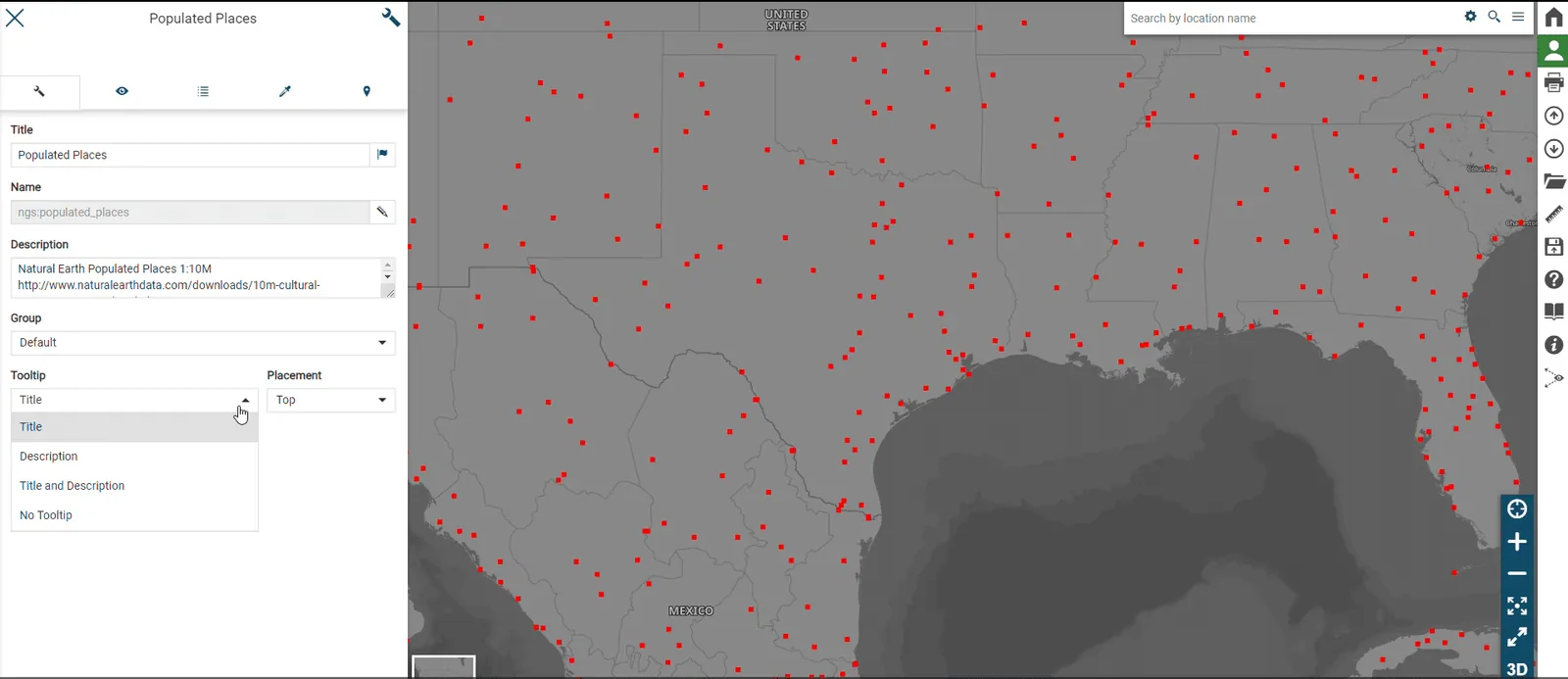
Over 300 U.S. critical infrastructure layers directly from the DHS Geospatial Management Office, integrated into CoreSpatial and ready for analysis. Knowing where critical infrastructure is located is one thing; putting it on the map with your operational data gives you the insight to make risk-reduction decisions.
Your operational data, layered over authoritative infrastructure
HIFLD datasets come integrated and ready to combine with basemaps and your own proprietary location data, turning a catalog of assets into an operational picture you can act on.
What HIFLD unlocks
Risk Management
Accurate, up-to-date infrastructure data to identify and assess risks, so organizations can proactively manage threats before they escalate into emergencies.
Site Suitability
Layer HIFLD datasets with basemaps and proprietary location data for suitability analysis, from facility siting to disaster-recovery zones and temporary housing.
Situational Awareness
Command-level visibility into key civilian assets, fuel depots, communication towers, government buildings, supporting military-civil coordination during National Guard, FEMA, or DHS-led missions.
Analyze and share infrastructure layers
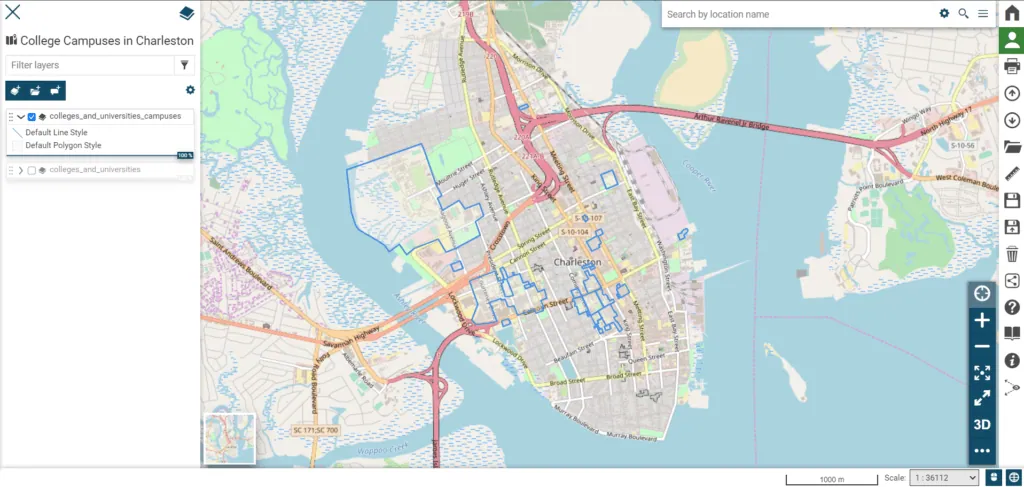
HIFLD layers drop straight into CoreSpatial Portal, where analysts can visualize, query, and combine them with mission data, then publish dashboards and GeoStories for decision-makers.